To prevent frozen pipes in a Calgary winter, keep warm air reaching your plumbing, seal the cold drafts that chill it, and insulate pipes in unheated spaces. The City of Calgary also asks owners to protect the meter, valves and pipes on their own property, since that responsibility is theirs.
- Keep the thermostat at 15°C or higher, per the City of Calgary.
- Seal drafts and insulate pipes in basements, crawl spaces, attics and garages.
- Disconnect and drain outdoor taps and hoses before hard frost.
- Know where your main water shut-off valve is before you need it.
- If a pipe freezes anyway, shut the water off and call a licensed plumber.
In this article
Why do pipes freeze in Calgary homes?
Pipes freeze when cold air reaches them faster than your home’s heat does. Water inside a pipe that sits against a cold surface can lose enough heat to freeze, especially during a long cold snap.
The City explains that underground service pipes freeze depending on how deep they are buried, the water temperature and the frost depth. It adds that properties near the river and in older communities face a higher risk. Inside the house, freezing can happen anywhere and is usually caused by inadequate heat or cold drafts. That second group is the one you can do the most about.
Our own about page lists freeze-thaw cycles among the conditions Calgary homeowners deal with, so it pays to treat any pipe in unheated space as a pipe worth protecting.
Which parts of your house are most at risk?
The City lists the places to check for cold drafts: basements, crawl spaces, attics, garages, and under kitchen and bathroom cabinets. The City of Toronto’s guidance adds two spots worth noting: pipes against exterior walls, and the place where the service pipe enters through the foundation wall.
Put together, a simple at-risk list for a typical home looks like this:
- The main shut-off valve and meter area, where the water line comes through a cold concrete wall or floor.
- Pipes running along exterior walls, especially in the basement.
- Lines in the garage, a crawl space or an unfinished utility space.
- Pipes in the attic or in cabinets against an outside wall (kitchen and bathroom vanities).
- Outdoor taps and the short pipe behind them.
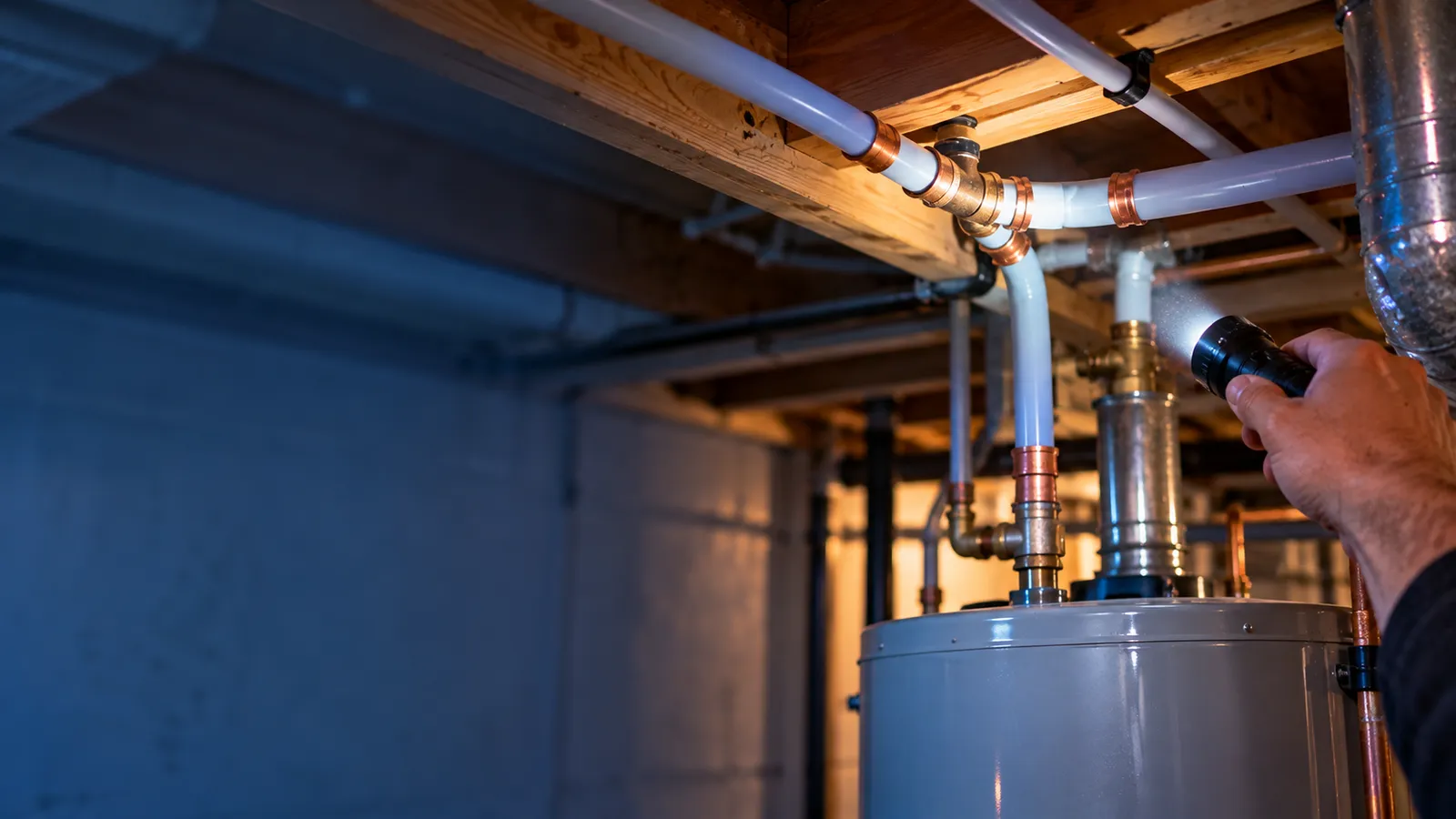
- A hot water tank that sits in an outside maintenance room or unheated garage.
Walk through each spot on a cold day and note where you feel moving cold air. Those are your priority fixes.
What are the 10 ways to prevent frozen pipes?
1. Know where your main shut-off valve is, and keep it from the cold
The City tells owners to locate the main shut-off valve and insulate it from cold surfaces such as concrete walls and floors. It usually sits where the water line enters the home, typically near the water tank or below the meter. If a pipe does burst, this valve is how you stop the water, so it is worth finding now. Our guide to finding your main water shut-off valve walks through it.
2. Keep the heat on, at 15°C or higher
The City’s advice is to set the thermostat to at least 15°C. That includes rooms you rarely use and the basement. A cold, closed-off room is where a pipe tends to freeze first.
3. Find and seal cold drafts
Repair broken windows, check doors, and insulate the places where cold air gets in. Look at gaps where pipes, wires or dryer vents pass through a wall, since the City of Toronto also lists sealing air leaks around windows, doors, wiring, dryer vents and pipes. A small gap beside a pipe can chill it all winter.
4. Insulate hot and cold lines in cold areas
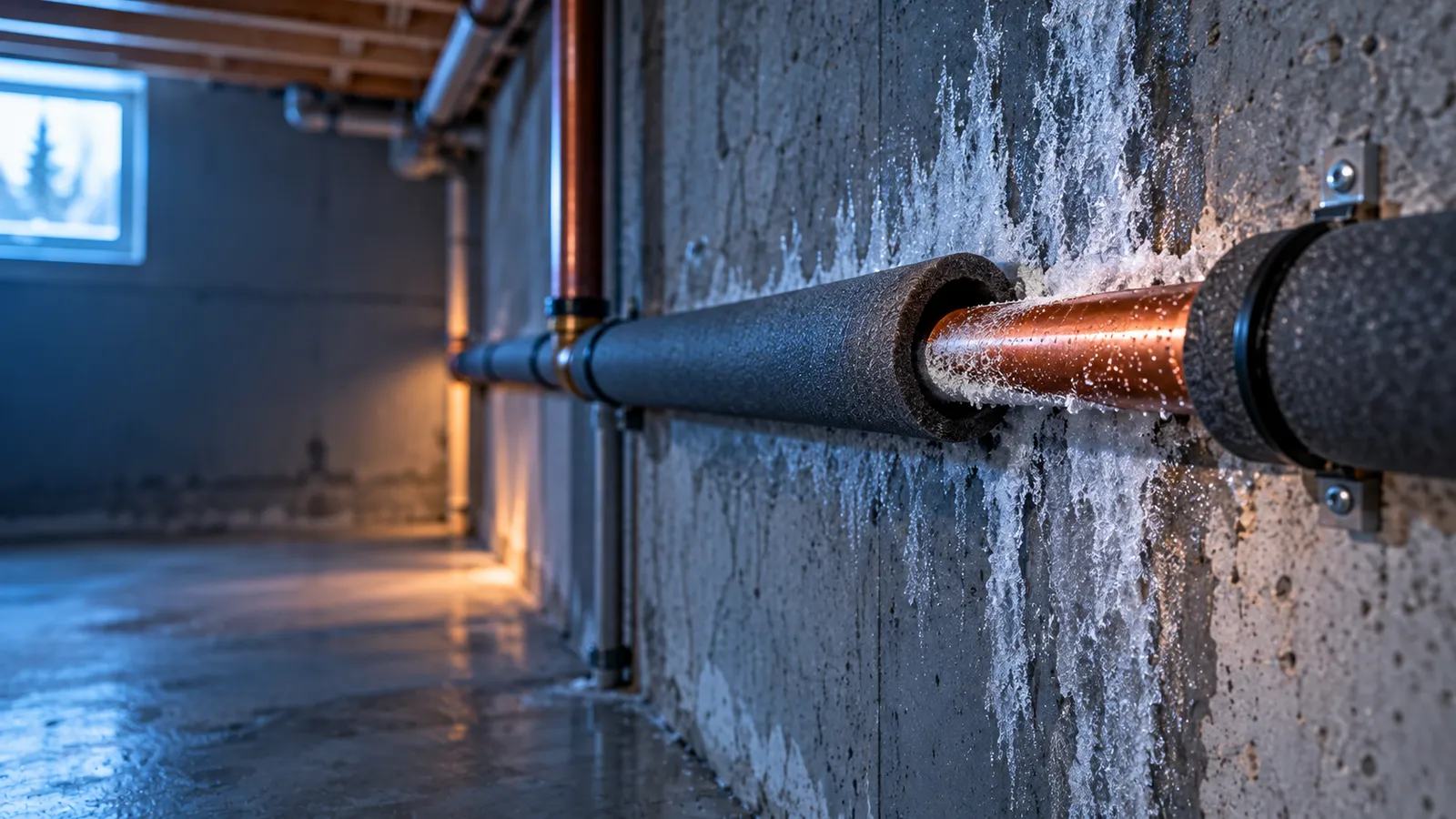
The City recommends insulating both hot and cold lines in cold areas, with pipe sleeves as one option. The City of Toronto’s guidance names foam pipe covers for pipes near outside walls, in crawl spaces, the attic and the garage. Follow the product’s instructions, and leave no bare stretch between sleeves.
5. Treat heat tape as a product that must follow its instructions
The City lists UL-listed heat tape or heat cable as an option. Electric heating cable carries a fire risk when it is misused, so read the label. In a 1989 release, the US Consumer Product Safety Commission advised owners to follow the manufacturer’s directions, not to lap tape over itself unless the instructions allow it, and not to cover it with insulation unless the manufacturer recommends it. It also said to unplug and inspect tapes each fall, replace any that show cracked or charred insulation, and that anyone uneasy can hire a licensed electrician. That release is old and American, so treat it as a reminder to follow your product’s own manual.
6. Open cabinet and interior doors
Open the doors under kitchen and bathroom sinks, especially on exterior walls, so house heat reaches the pipes. The City says to open interior doors and cabinets so heat reaches pipes and meters in cold areas. It costs nothing and takes ten seconds.
7. Shut off, disconnect and drain outdoor taps
Hoses left attached are a common cause of trouble. The City says to turn off, disconnect and drain lines to outside faucets, hoses, pools and water features, because a frozen line can burst and drain water into your home. The City’s home maintenance page also lists winterizing the outdoor hose bib each fall. Do this before the first hard frost.
8. Heat the space around your water heater and any garage lines
The City asks owners to check hot water tanks in outside maintenance rooms and make sure the area is adequately heated. The City of Toronto adds a simple habit: keep garage doors closed if water lines run through the garage. If your tank lives in a cold garage, see our page on hot water tank installation and repair in Calgary for what a plumber can inspect.
9. Plan for time away
If nobody will be home, check your policy first. The City suggests reading your home insurance policy about how often someone should check the home during an extended absence. The Insurance Bureau of Canada notes that coverage for frozen plumbing may be limited if you are away during the heating season, and that insurers may require the plumbing to be drained or the home checked regularly. Toronto’s guidance for long absences is to close the main valve and open a basement cold tap to drain the remaining water. Ask your insurer and a plumber what suits your home before you rely on any of this.
10. Get repeat trouble spots looked at by a plumber
If the same pipe freezes year after year, something is usually wrong with where it runs or how it is protected. The City of Toronto says that when pipes freeze often, a plumber can advise on hidden problems. A licensed plumber can inspect the run, tell you what is exposed and explain your options in plain language, then quote before any work starts. That is how we handle it at H2O Expert Plumbing, as described on our plumbing services in Calgary page.
What should you avoid doing?
A few habits cause more harm than good:
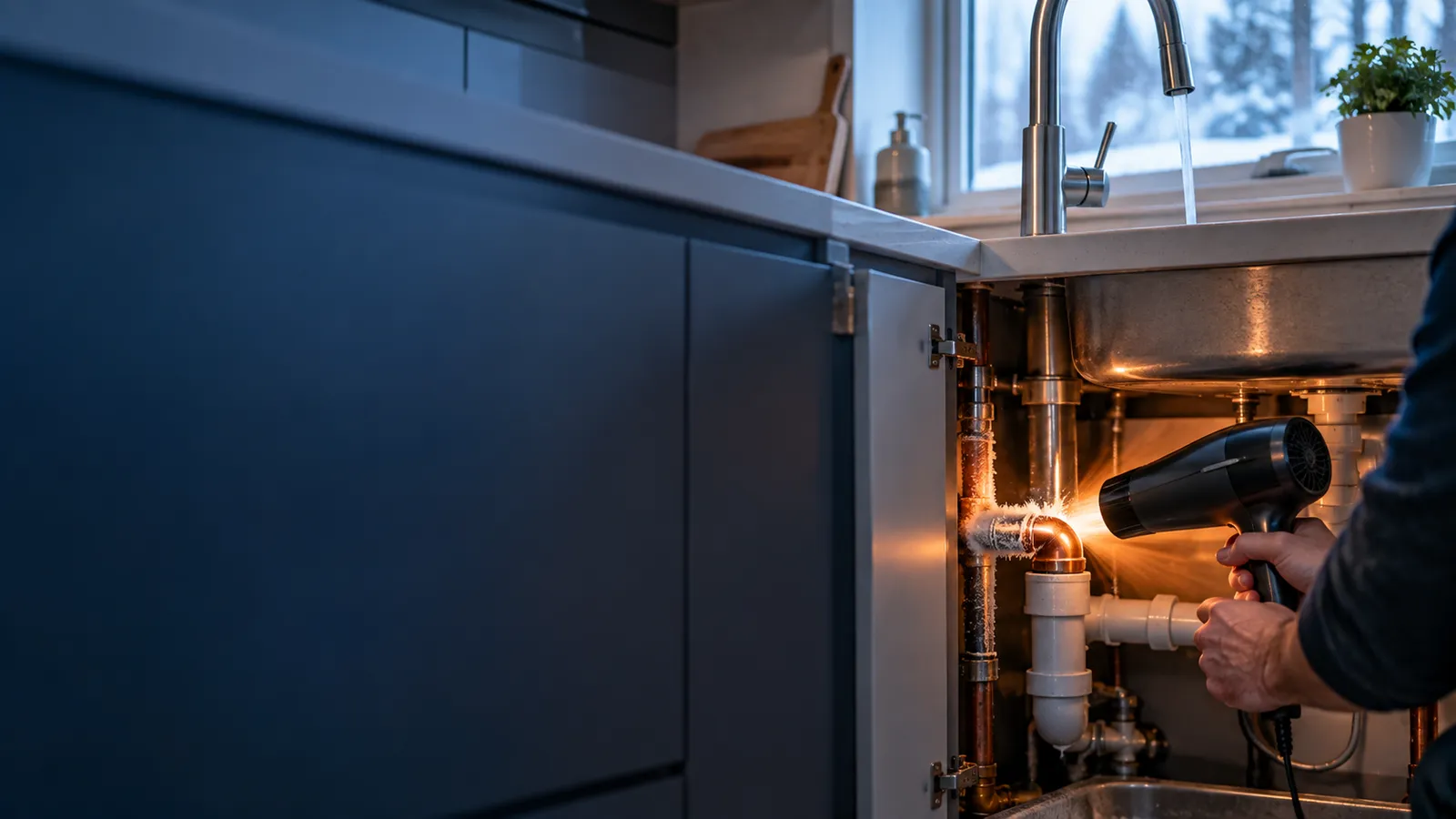
- Do not use an open flame. The City’s thawing steps say plainly: do not use any open flames. A fire department in Newfoundland also warns that a blow torch creates a fire hazard and a serious risk of carbon monoxide exposure.
- Do not leave heating devices unattended. The City says not to leave items unattended while thawing.
- Do not cover heat tape with insulation or overlap it unless the manufacturer says you may.
- Do not ignore a draft because “it has been fine so far.” One cold snap can be enough.
- Do not guess about gas or electrical work. Heating cable wiring, gas lines and venting belong to licensed trades.
What if a pipe has already frozen?
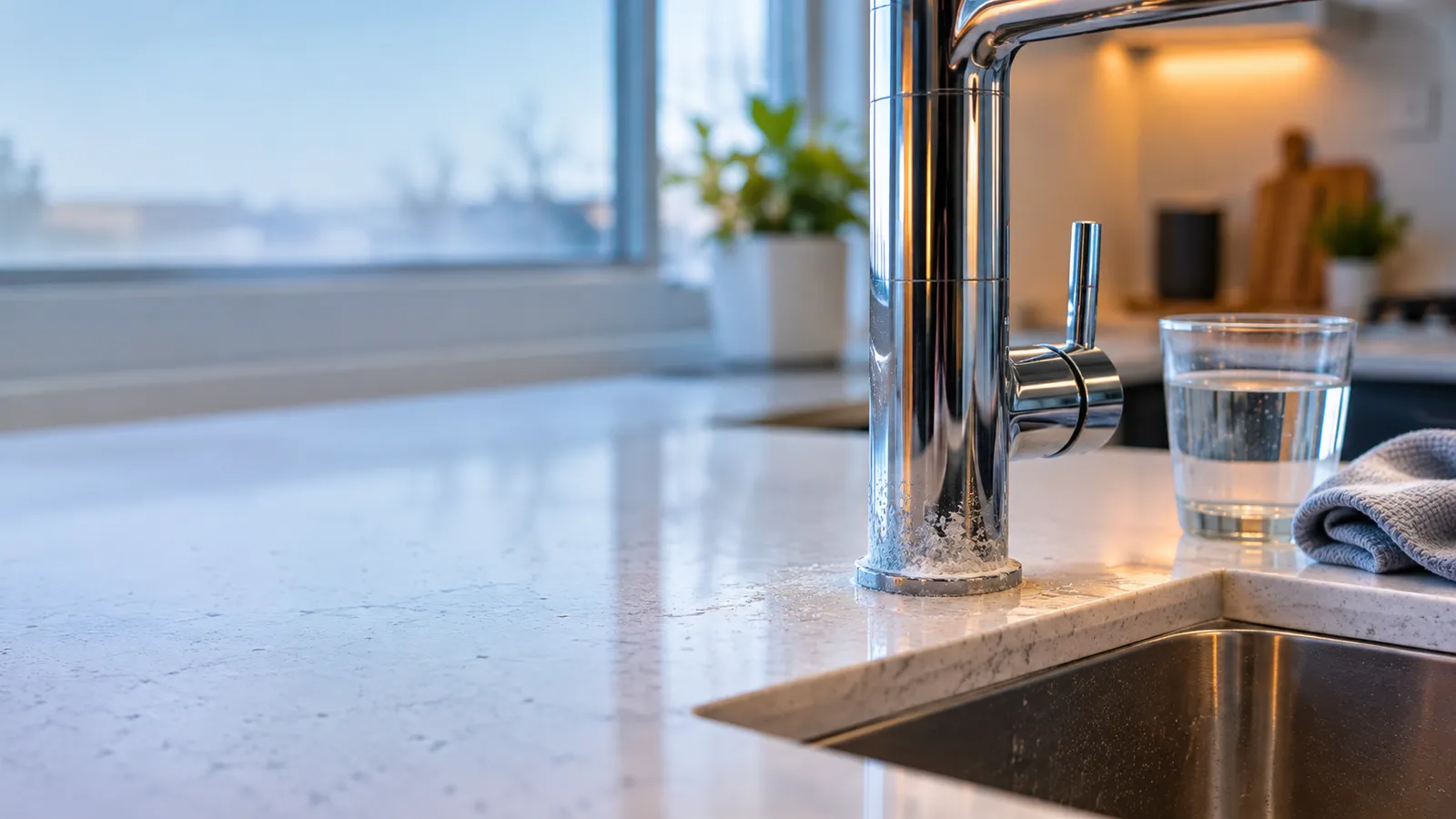
Signs include flooding, little or no water from the taps, and a large amount of frost on indoor pipes or on the main shut-off valve, according to the City. If you see water, turn off the main valve. Where the home is a condo or townhome, contact the building owner or manager, and call 311 as the City directs.
For the careful steps, from finding the cold spot to knowing when to stop, read our guide on how to thaw frozen pipes safely. If a pipe has split, our checklist for what to do when a pipe bursts covers the first actions. Neither guide replaces a plumber on site.
Next step
Prevention is mostly a half-hour of checking on a mild weekend: find the shut-off valve, seal drafts, insulate what you can reach, and drain the outdoor taps. If you find a pipe in a cold wall or garage that you cannot protect yourself, have a licensed plumber look at it.
H2O Expert Plumbing is available 7 days a week. Our three-step process is Book, Diagnose, then Quote and Complete, and you approve a written quote before work starts, as described on our plumbing services in Calgary page. Call +1 (403) 700-4443, or request a free quote.
Frequently asked questions
What temperature should I keep my house at to stop pipes freezing?
The City of Calgary advises setting the thermostat to at least 15°C. For longer absences, it suggests checking your home insurance policy to see how often someone must check the home. It also says to open interior doors and cabinets so house heat can reach pipes and meters in cold areas.
Who pays if my water line freezes in Calgary?
The City of Calgary states that the property owner pays all repair costs on private property, including missing, damaged or frozen water meters. The City looks after its own portion of the service line. The property line usually sits a few metres from the edge of the curb or sidewalk.
Is heat tape safe to use on water pipes?
Only when it is used according to the manufacturer’s instructions. The City lists UL-listed heat tape or cable as an option. US safety guidance says not to lap tape over itself or cover it with insulation unless the instructions allow it, and to inspect it each fall. If you are unsure, hire a licensed electrician.
How fast can an emergency plumber arrive during extreme cold?
We cannot promise an arrival time, because it depends on weather, call volume and where you are. H2O Expert Plumbing is available 7 days a week, and we route urgent issues for faster response. Call +1 (403) 700-4443, and shut off your main water valve if water is escaping.
What are the first signs that a pipe is freezing?
The City lists little or no water from faucets, frost on indoor pipes or the main shut-off valve, and flooding if a pipe has burst. If only one tap runs poorly, the freeze may be in the line serving that tap. Check every faucet in the home before deciding where the problem is.