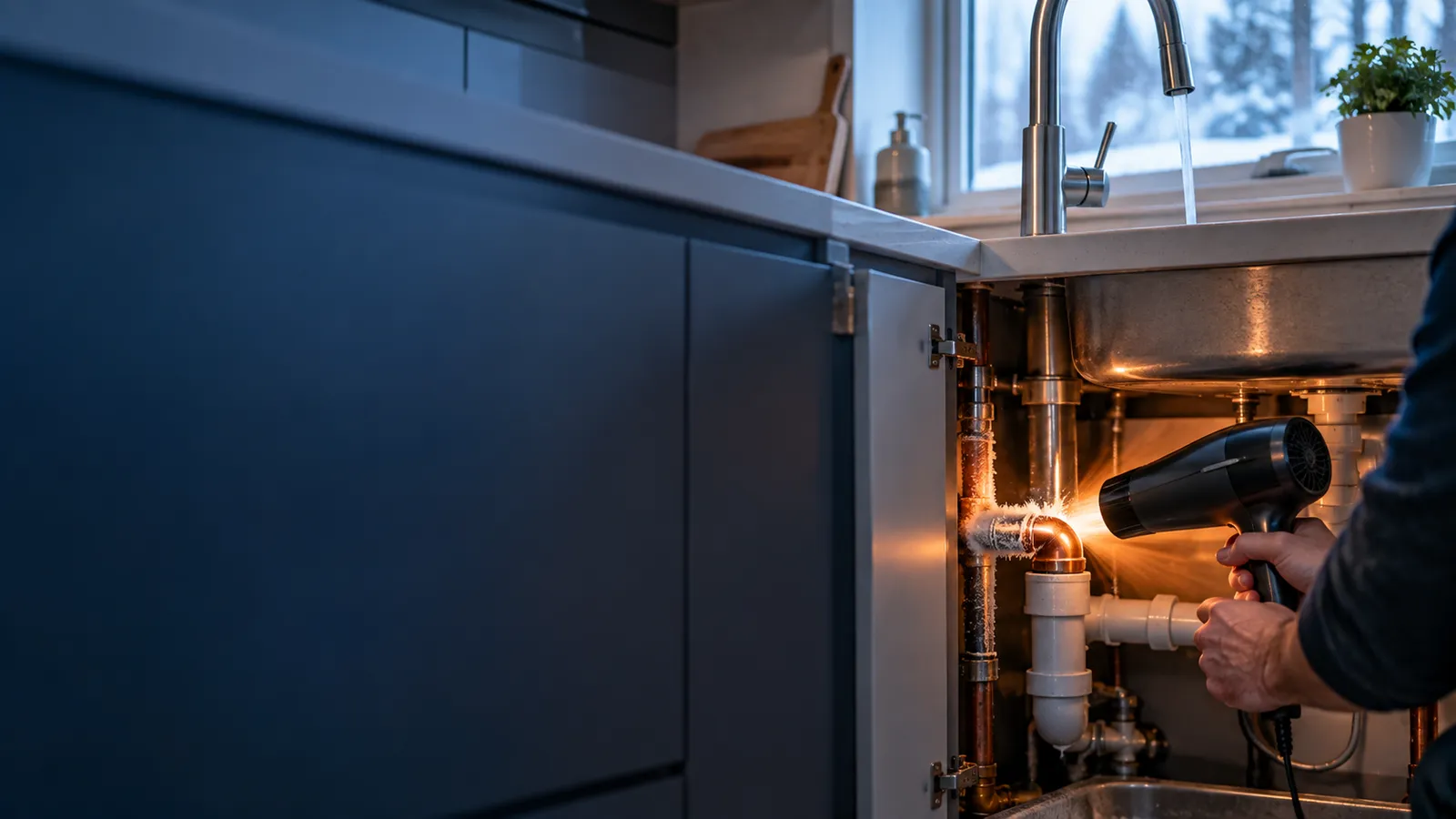
To thaw a frozen pipe, find the cold section, open the nearest tap, and warm the pipe slowly with a hair dryer, heating pad or hot towels, working from the tap back toward the frozen spot. Never use an open flame. The City of Calgary describes this method as at your own risk and recommends a professional plumber if you are unsure.
- Check every tap first, so you know which part of the house is affected.
- Warm the pipe gently, starting at the tap end. Be patient: thawing can take minutes or hours.
- Never use open flames, and never leave a heat source unattended.
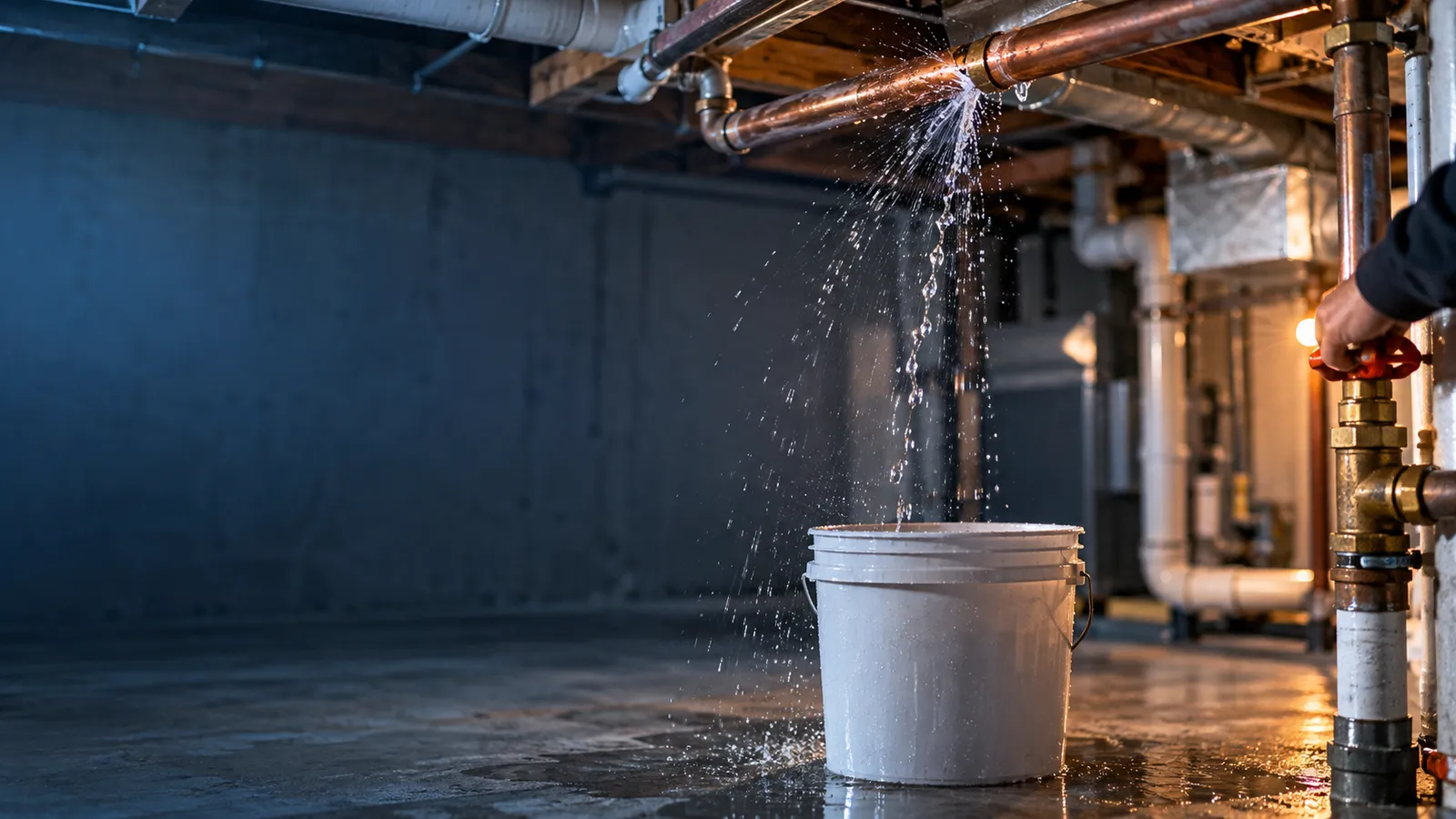
- If you see water, bulging, or damage, shut off the main valve and call a plumber.
- If water is still not flowing after your attempt, call 311 or a licensed plumber.
In this article
How do you know a pipe is frozen?
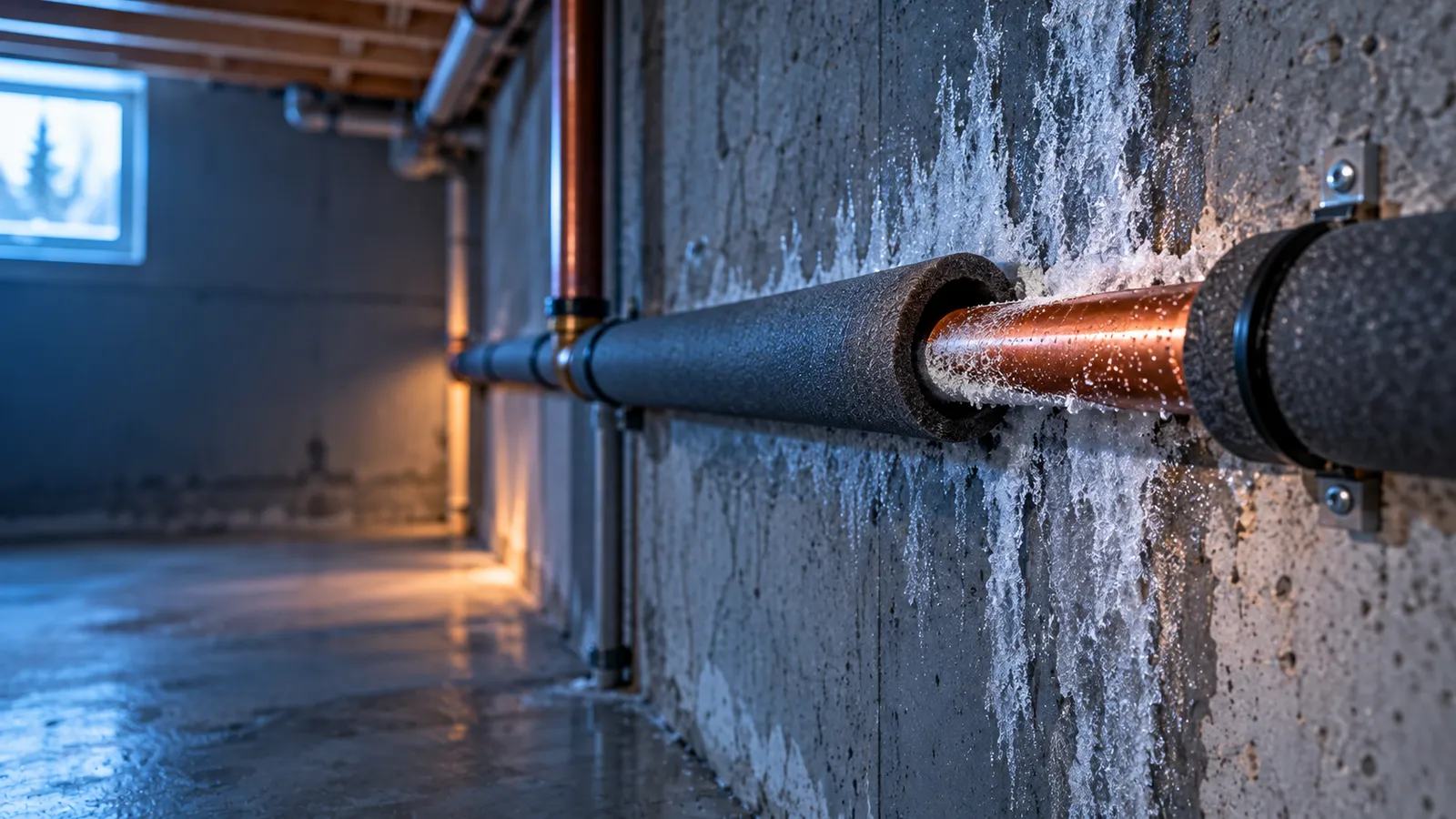
The City of Calgary lists three signs of a frozen water line. The first is flooding, because frozen water can burst a pipe. The second is little or no water coming from faucets, so check every tap in the home. The third is a large amount of frost on indoor pipes or on the main shut-off valve in the basement.
Start with the taps. If only the kitchen cold tap runs poorly, the freeze is probably in the line feeding that tap. If nothing runs anywhere, the freeze may be closer to where the water enters the house. If the City is repairing a main break in your area, you may be dealing with an outage instead. The City suggests you check whether a main break repair is causing an outage before you assume the pipe is frozen.
Is the freeze on your side or the City’s side?
This matters in Calgary, because the answer decides who fixes it and who pays. The property line usually ends a few metres from the edge of the curb or sidewalk. According to the City, the property owner pays all repair costs on private property, including missing, damaged or frozen water meters. The City looks after its own portion of the service line.
If you call 311, the City says it will contact you and may send a crew to confirm that the service is frozen. It also notes that response times can be longer when call volumes are high, and that you may hire a plumber at your own expense for faster service. Before the City can act, you must complete its Water Work Authorization Form, linked from the same page. After that, the City thaws its portion of the line and also attempts to thaw the private portion to restore water to your home.
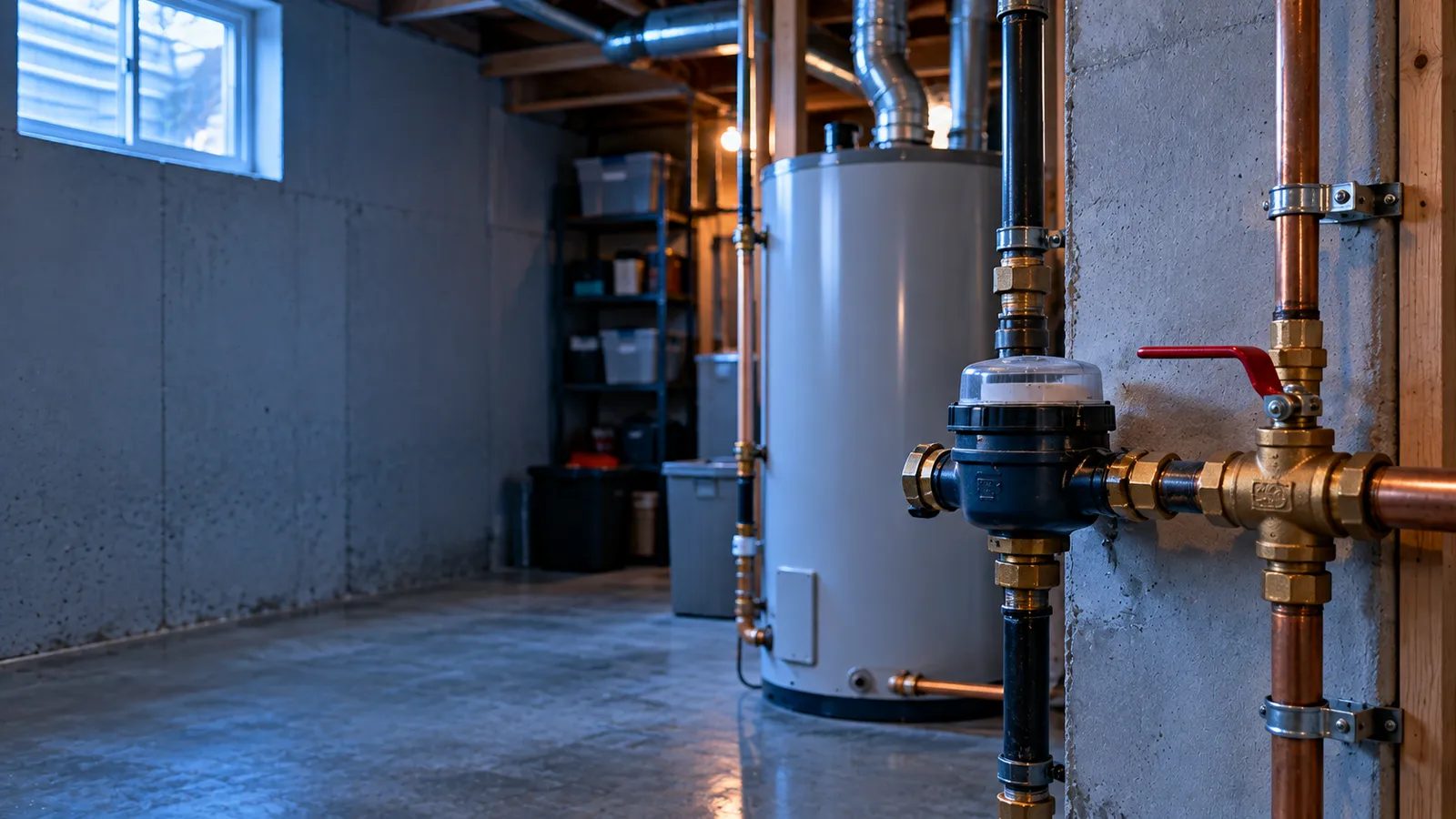
A frozen section buried outside is not something to attack with a hair dryer. Report it to 311, or call a plumber. Our guide to finding your main water shut-off valve explains which valve is yours and which belongs to the City.
How do you thaw a frozen pipe step by step?
These are the City of Calgary’s homeowner steps, which the City says to follow with caution and at your own risk. We have added the safety context around them.
What you need: a hair dryer, heating pad, electric heater, hot water bottles or hot towels. Keep every electrical device dry.
- Find the cold spot. Run your hand along the water line. The frozen section feels noticeably colder than the rest of the pipe. If you cannot reach the pipe, or it runs inside a wall, stop here and call a plumber.
- Decide about the main valve. If you see any wetness, a bulge, or a leak, shut off the main water valve first. The City directs owners to turn it off when a home or basement is flooding. A fire department in St. John’s goes further and advises shutting off the water before thawing, since a frozen pipe can have cracks you cannot see. If you are unsure, take the cautious choice: shut it off.
- Open the nearest tap. The City’s instruction is to turn on the faucet closest to the blockage and thaw from the faucet toward the frozen section, which lowers the chance of a burst. An open tap also shows you when water starts to move.
- Apply gentle heat. Use a hair dryer, heating pad, electric heater, hot water bottles or hot towels. Work along the pipe slowly, from the tap end toward the freeze.
- Be patient. The City says thawing may take minutes or hours. Do not try to rush it with more heat.
- Never thaw in a confined space. The City warns against it, and against leaving any item unattended.
- Check the other taps. If one pipe froze, others may have too. The City advises checking other faucets for additional frozen pipes.
- Restore water slowly and check for leaks. The City of Toronto’s guidance is to turn the water back on slowly and check for cracks and leaks once the pipe has thawed. Look at joints, walls and the floor below the pipe.
- Call 311 or a plumber if water still is not flowing. That is the City’s final step.
What should you never use to thaw a pipe?
The short list below is based on the City of Calgary, the City of Toronto and a Canadian fire department. Each source is linked.
| Method | Verdict | Why |
|---|---|---|
| Hair dryer, heating pad, hot towels | Acceptable with care | Listed by the City of Calgary; keep electrical items away from water |
| Electric space heater | Acceptable with care | Also listed by the City; do not leave it unattended |
| Blow torch or any open flame | Never | The City says do not use any open flames; a fire department warns of fire and carbon monoxide risk |
| Kerosene or propane heater, charcoal stove | Never | The City of Toronto lists these among things not to use |
| Thawing in a confined space | Avoid | The City warns against attempting it |
Electricity and water do not mix. Health Canada’s flood-cleanup advice includes keeping extension cords out of the water. If any part of your thawing setup could touch a wet floor, move it or stop.
When should you stop and call a plumber?
Stop thawing and call a licensed plumber when any of these is true:
- You cannot find the frozen section, or it is inside a wall, ceiling or crawl space you cannot safely reach.
- You see water, a bulge, a crack, or a wet patch near the pipe. The City says to shut off the main valve if the house is flooding. Our checklist on what to do when a pipe bursts covers the first actions.
- The pipe is still frozen after you have done what the City describes. A fire department notes that the safest way to thaw frozen pipes is a qualified plumber.
- The freeze is in an underground or exterior service line.
- You smell gas, or you are not comfortable with any step. Gas and electrical work belong to licensed trades.
You can also prevent the next freeze. Our list of 10 ways to prevent frozen pipes in a Calgary winter covers insulation, drafts and outdoor taps. Our plumbing page notes that delays often make a problem bigger and more expensive. A plumber can explain the repair before work begins. We do not quote prices for emergency work in a guide like this, because the cost depends on what we find.
Next step
Call us if the pipe will not thaw, if you see damage, or if you are unsure where the freeze is. H2O Expert Plumbing is available 7 days a week, and urgent problems are routed for faster response. We are licensed, insured and have served Calgary since 2012, as our about page states. Our process is Book, Diagnose, then Quote and Complete: we inspect the problem, explain our findings in plain language, and you approve a written quote before work starts, as set out on our plumbing services in Calgary page.
Call +1 (403) 700-4443 now if water is escaping, or request a free quote for planned work.
Frequently asked questions
How long does it take to thaw a frozen pipe?
The City of Calgary says thawing can take minutes or hours, and asks you to be patient. It depends on how much of the pipe is frozen and how cold it is. Apply gentle heat from the tap end of the pipe, keep the tap open, and never rush the job with an open flame.
Can I use a hair dryer to thaw a frozen pipe?
Yes. The City of Calgary lists a hair dryer, heating pad, electric heater, hot water bottles and hot towels as options. Keep the tap open, work from the tap toward the freeze, and never leave the device unattended. Keep all electrical equipment and cords away from standing water.
What do I do if the frozen pipe is on the City’s side?
Call 311. The City says it will contact you and may send a crew to confirm the freeze. Before the City acts, you must complete its Water Work Authorization Form. The property owner pays repair costs on private property. For faster service you may hire a plumber at your own expense.
Is it safe to thaw a pipe with a torch?
No. The City of Calgary says not to use any open flames, and a Canadian fire department warns that a blow torch creates a fire hazard and a serious risk of carbon monoxide exposure. Use only the gentle, electrical or hot-towel methods the City lists, or call a licensed plumber.
When should I call a plumber instead of thawing it myself?
Call a plumber if you cannot find or reach the frozen section, if you see leaks or damage, if the pipe stays frozen, or if you are not comfortable with any step. The City recommends a professional plumber if you are unsure. If water is escaping, shut off your main valve first.