Not every Calgary home needs a sump pump, and we say that as a company that installs them. Whether you need one depends on your lot, your drainage and whether water has ever come into your basement. A pump is worth serious thought if groundwater is a known problem for your house. It is a poor purchase if you hope it will make a basement flood-proof, because it will not.
- The City of Calgary does not frame a sump pump as something every house has: its basement flooding page says only that some houses have a sump pump.
- Flood risk is not limited to riverside homes: the City says most homes in Calgary are at risk of flooding.
- If you do have a pump, the City says it is your job to maintain it, and a pump malfunction is also your responsibility.
- A pump handles groundwater. A backwater valve is a different device that deals with sewer backup.
In this article
- What does a sump pump actually do?
- Why this is an honest question in Calgary
- Questions that point toward needing a sump pump
- Questions that point toward not needing one
- What a sump pump will not do
- What is the counter-argument?
- What does a sensible sump pump setup look like?
- Our position
- Next step
- Frequently asked questions
What does a sump pump actually do?
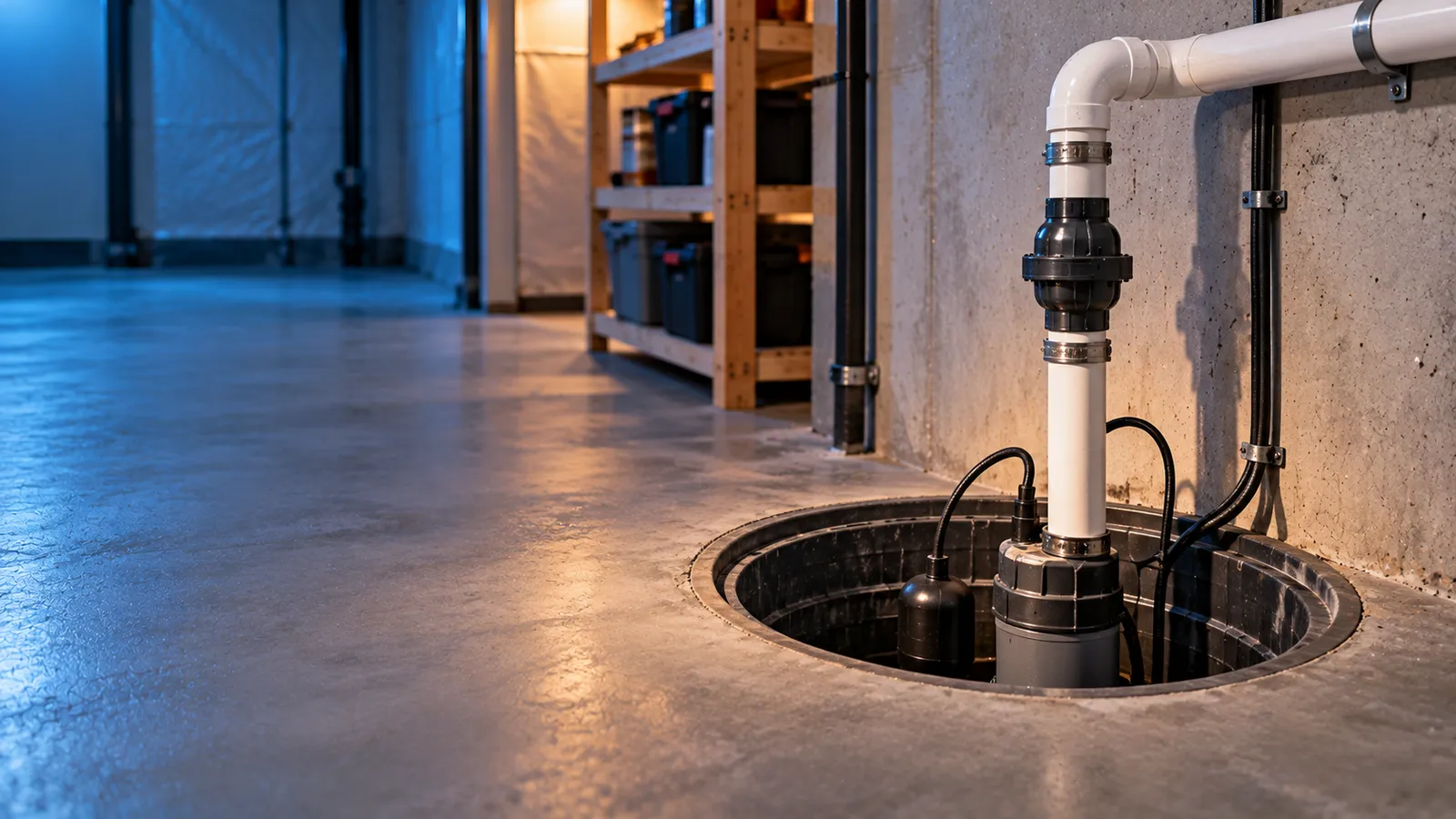
A sump pump sits in a pit, usually at the lowest point of a basement. When water collects in the pit, the pump sends it out and away from the house. The City describes it simply: a sump pump takes water away from the house to where it won’t be a problem.
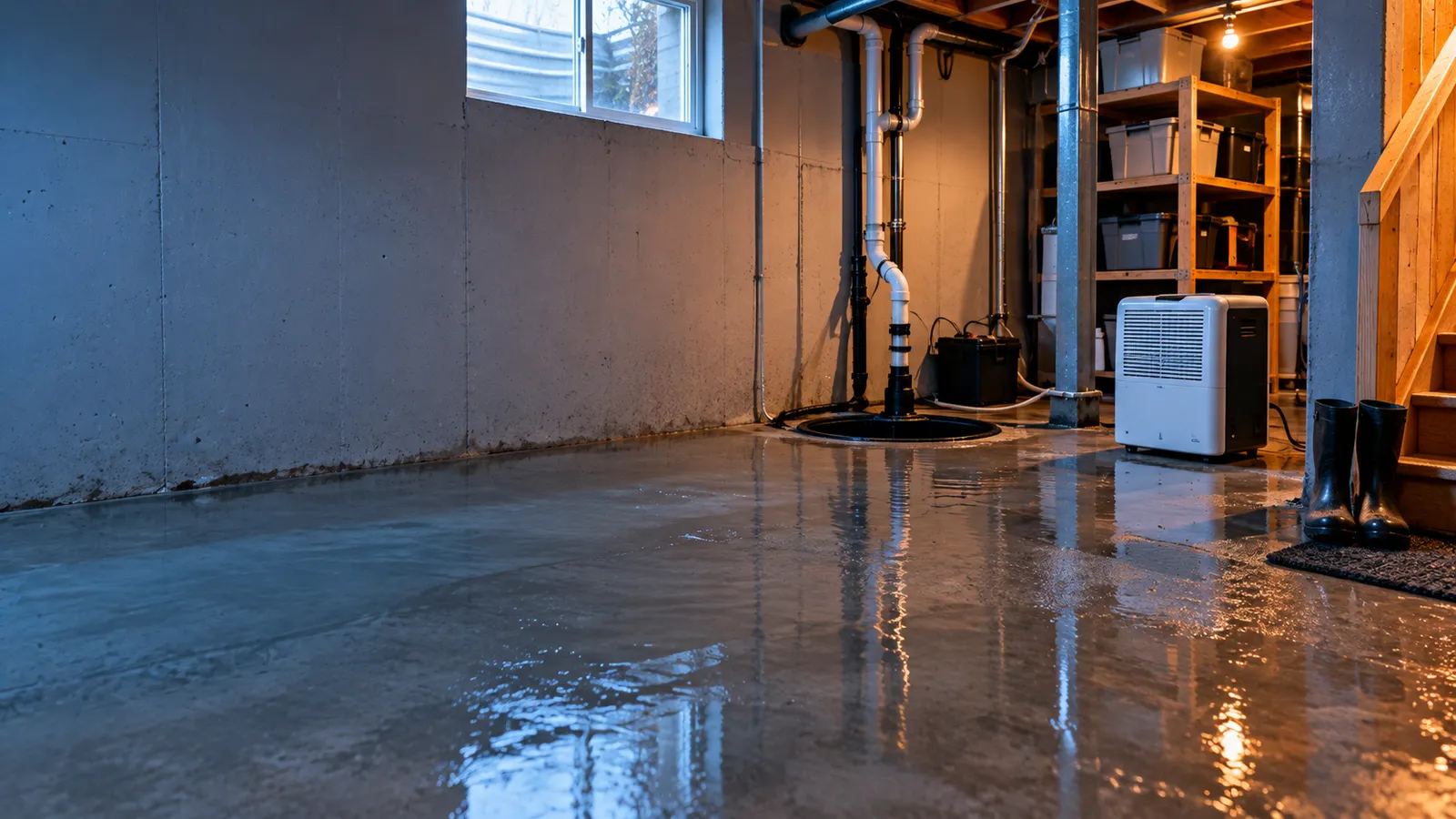
That matters because of how water reaches a basement. The City explains that when the ground absorbs water, soil can act like a sponge or cause the underground water table to rise. Water can then work its way in through cracks, holes and joints in the foundation.
Weeping tile is part of the picture too. The City defines it as a perforated pipe that runs around basement foundations to drain high groundwater. The pump is one way to deal with the water that tile and the soil collect. It is not the only line of defence, and it does nothing about water that arrives from somewhere else.
Why this is an honest question in Calgary
Calgary’s water risk is real, and it is wider than people assume. The City’s self-evaluation guide says that most homes in Calgary, not only those near the river, are at risk of flooding. It also says even small cracks in a basement floor can let in moisture, water and radon.
That is a reason to take basement water seriously. It is not, by itself, a reason to buy a pump. Flood risk can come from several directions: rising groundwater, a sewer that backs up, surface water running toward the house, or river flooding. A sump pump only answers one of them.
We also want to be plain about our own interest. H2O Expert Plumbing installs, replaces and services sump pumps in Calgary, so we gain when someone buys one. That is why we would rather help you decide whether you need it than sell you one by default.
Questions that point toward needing a sump pump
These are not a diagnosis. They are the questions we would ask before recommending anything, and the answers point you toward a conversation with a licensed plumber.
- Has water or dampness ever come in? A past seep, a damp patch on the foundation wall or a musty smell tells you groundwater is reaching the structure.
- Is the basement the lowest point on the lot? Water follows gravity. A house that sits low relative to its surroundings has less margin.
- Does your home already have a pit? If there is a sump pit in the floor, a pump is part of how the house was built to cope, and it needs to be working.
- Do the neighbours on your street run pumps? That is anecdotal, but it tells you something about the ground your house sits in.
- Is the basement finished? The more there is to lose, the more a failure costs. That is an argument for protection, not for a particular device.
These questions are our reasoning, not findings from a study. A plumber can look at your foundation, existing drainage and past water, and tell you more than any checklist can.
Questions that point toward not needing one
A pump is often unnecessary where the water problem is not groundwater at all. Check these first, because they are cheaper and the City recommends them:
- Downspouts. The City advises positioning downspouts away from your house and neighbours, directing them at least six feet from your foundation.
- Eavestroughs. The City says to clean and check them.
- Grading. The City says to grade the yard so water drains away from the foundation.
- Foundation cracks. The City advises waterproofing cracks in foundation walls and sidewalks.
If your basement has stayed dry through wet springs and heavy rain, and your drainage is sound, a pump is probably a solution looking for a problem. We would rather you spend that money on a moisture alarm or a backwater valve conversation if sewer backup is the real concern.
What a sump pump will not do
This is the part sales pages skip. A pump is not a flood-proof guarantee.
- It needs power. A pump that runs on mains electricity can stop in an outage. The City’s guidance is that all sump pumps should have a backup power supply installed, and it says not to use backup pumps powered by potable water. A battery backup or generator is the route it names.
- It wears out. The City says to replace your pump every 10 years, or sooner.
- It can fail quietly. The City recommends a moisture alarm in the sump that detects a rising water level, and a check valve on the discharge pipe so pumped water does not recycle.
- It does not stop sewer backup. For that, the City describes a backwater valve, which lets water flow out of the sewer line but blocks it from flowing back in.
- The responsibility is yours. The City’s page is direct: it is the homeowner’s responsibility to maintain the pump, and seepage caused by a pump malfunction is also the homeowner’s responsibility. The City does not respond to pump calls.
Manufacturers say much the same about battery backups. Zoeller’s installation sheet for its battery backup pump says it is the owner’s responsibility to check the battery and its connection at least once a month. It also says installation and servicing of electrical circuits should be performed by a qualified, licensed electrician. A backup is a maintenance commitment, not a one-time purchase.
What is the counter-argument?
The strongest argument for installing a pump anyway is that the cost of being wrong is high. A basement flood is expensive, disruptive and stressful, and a pump is a modest cost next to that. We take that seriously.
It is also true that insurance is part of the picture. The City’s guide says that insurers may cover water damage from sewer back-up, overland water or groundwater, and that you should check with your insurer about the coverage that fits your property. What your policy covers, and whether a pump or backup changes anything, is a question for your insurer.
Our answer to the counter-argument is simple. If your house has a groundwater history, install the pump and the backup power, and treat it as equipment that needs testing. If it does not, put your effort into drainage first and pay to learn your actual risk. Installing a pump “just in case” without a plan to maintain it gives a false sense of security, which can be worse than knowing you are unprotected.
What does a sensible sump pump setup look like?
If you decide you need one, ask for these elements. They come straight from City guidance and the manufacturer sheet above.
- A check valve on the discharge pipe, so pumped water does not flow back into the pit.
- A discharge that clears the backfill zone of your foundation. The City also says not to let sump water drain onto neighbouring properties, lanes, sidewalks, boulevards or streets, or into a foundation drain or weeping tile. It cites the Community Standards Bylaw.
- A backup power supply, not a potable-water-powered backup pump.
- A moisture alarm in the sump.
- A test routine. The City says to inspect the pump annually and to test it by pouring water into the pit to see whether it starts on its own.
A licensed plumber should install it and a licensed electrician should handle the wiring. The City’s trades permit page does not mention sump pumps, so ask your installer whether any permit applies to your job. Do not assume the answer.
Our position
Here is where we land. Most Calgary homeowners should first fix downspouts, grading and gutters, learn whether their house has a groundwater history, and check what their insurance covers. A sump pump with backup power earns its place in homes where water has come in before, or where the basement is both low and finished. It does not earn its place as a blanket answer for every house.
If you are unsure which camp you are in, ask a licensed plumber to look at your basement and your existing drainage. A good one will tell you if the answer is no.
Next step
If you want a licensed plumber to look at your basement and tell you honestly whether a pump is worth it, you can get a free quote or call +1 (403) 700-4443. H2O Expert Plumbing offers sump pump installation and repair in Calgary, and the team is available 7 days a week. For the full range of work we do, see our plumbing, gas and heating services in Calgary, or read about our licensed Calgary plumbers.
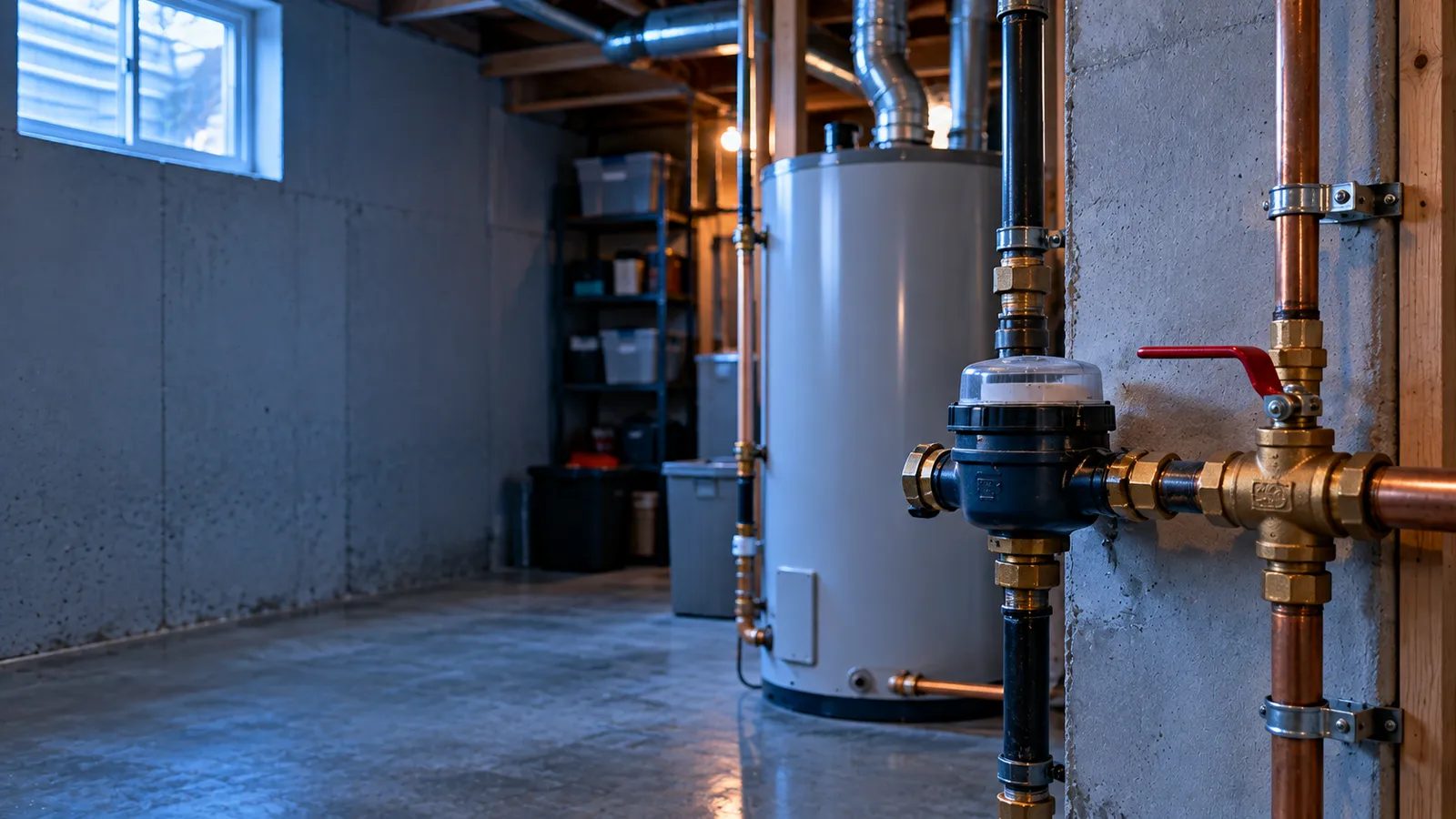
If water is in your basement right now, read what to do when your basement floods and make sure you know where your main water shut-off valve is.
Frequently asked questions
Do all Calgary homes need a sump pump?
No. The City of Calgary says some houses have a sump pump, which indicates it is not universal. Whether you need one depends on your lot, drainage and any history of water in the basement. A licensed plumber can assess your home. Fixing downspouts, grading and gutters is often the first and cheapest step.
Who is responsible if my sump pump fails and the basement floods?
Under the City of Calgary’s guidance, the homeowner. Its basement flooding page says it is the homeowner’s responsibility to maintain the pump, and that seepage caused by a pump malfunction is also the homeowner’s responsibility. The City does not respond to pump calls, so a plumber is the usual route when a pump fails.
Does a sump pump need a backup power supply?
The City of Calgary says all sump pumps should have a backup power supply installed. It names a backup generator or battery backup system, and says not to use a backup pump powered by potable water. Battery systems need checking too: one manufacturer says the owner should check the battery connection at least once a month.
How long does a sump pump last?
The City of Calgary advises replacing your pump every 10 years, or sooner. It also says to inspect it annually and to test it by pouring water into the pit. Treat that as a general guide; the age you actually need to replace yours depends on the model and how hard it works.
Is a sump pump the same as a backwater valve?
No. They solve different problems. A sump pump removes water that collects in a pit, such as groundwater. The City describes a backwater valve as a device on your sewer pipes that lets water flow out but blocks it from flowing back in. If sewer backup is your concern, ask a plumber about the valve, not only a pump.
Sources
- City of Calgary, Basement flooding and seepage
- City of Calgary, Climate ready measures: Water management
- City of Calgary, Climate Ready Home Self-Evaluation
- City of Calgary, Homeowner electrical and plumbing permits
- Zoeller Pump Company, Installation instructions, battery backup pump system (FM3315)